Stories
Long reads and guides about computing history. Every story lists its sources.
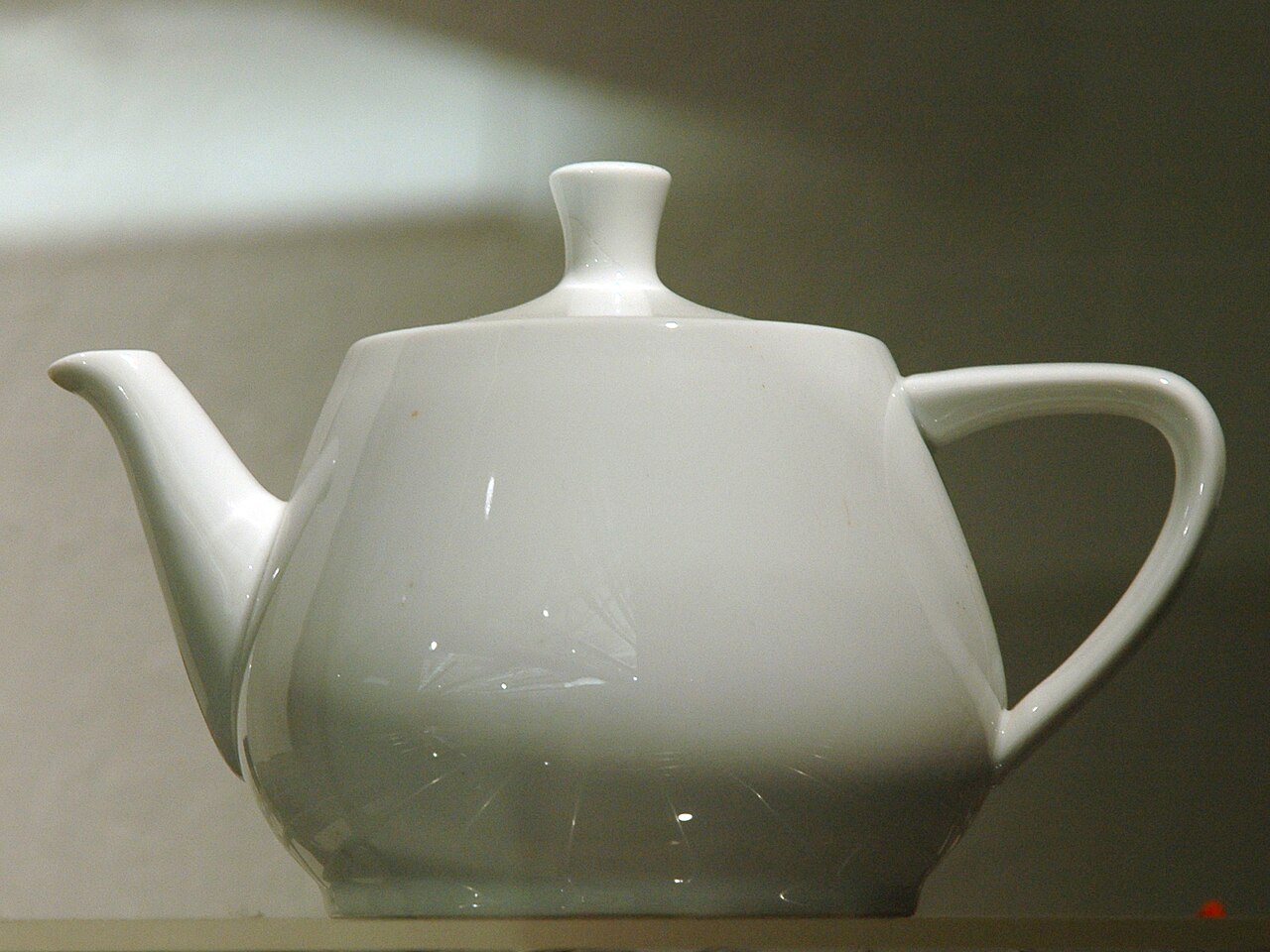
Pixels and Polygons: The Evolution of Computer Graphics
A comprehensive 15-minute guided audio tour exploring the pivotal artifacts that transformed computer graphics from laboratory experiments into the foundation of modern visual culture.
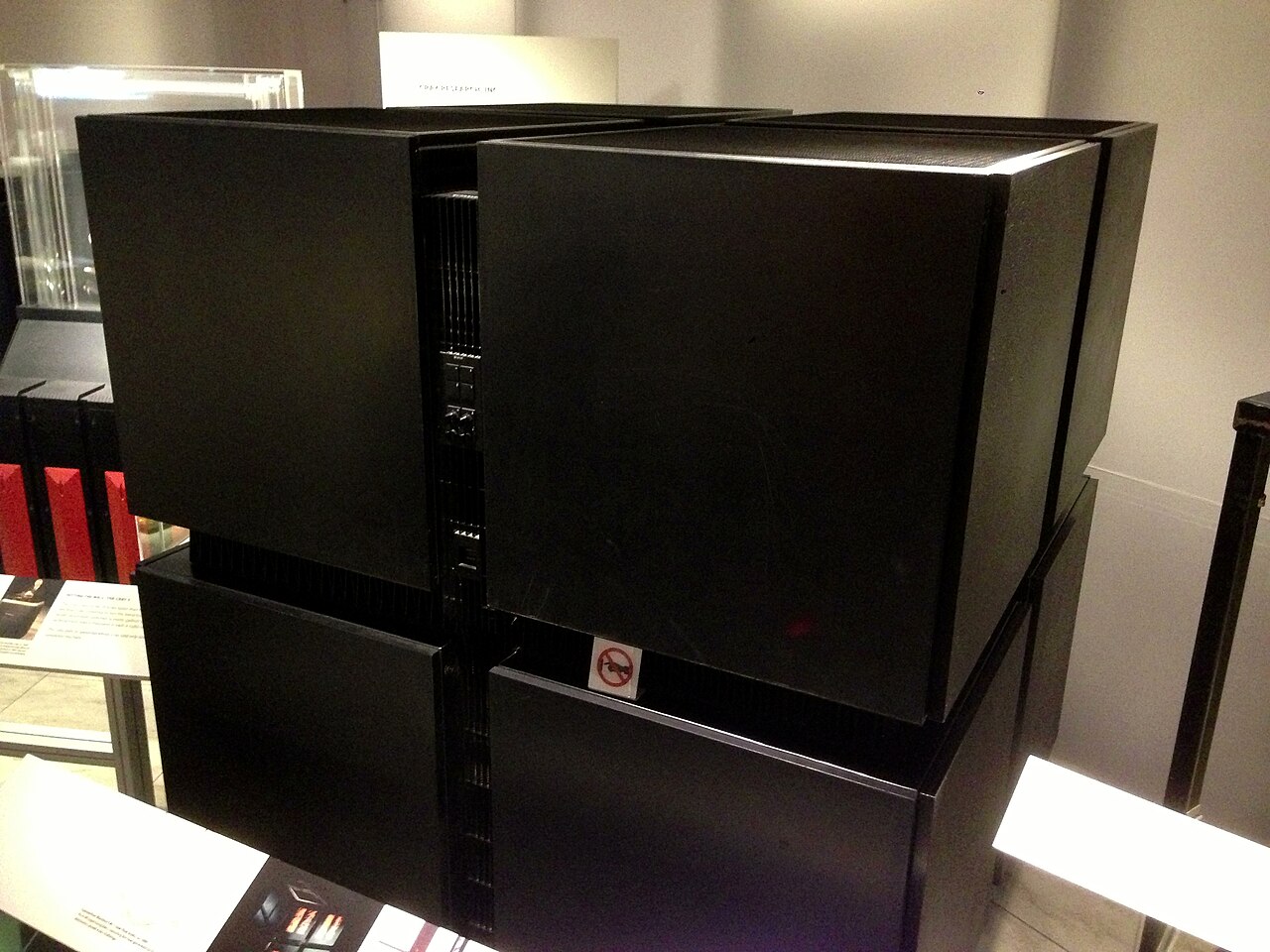
The Black Cube: A Guided Tour of the Thinking Machines CM-1
A 14-minute audio script about the Connection Machine CM-1, a 1980s computer with 65,536 simple processors in a black cube of red lights.
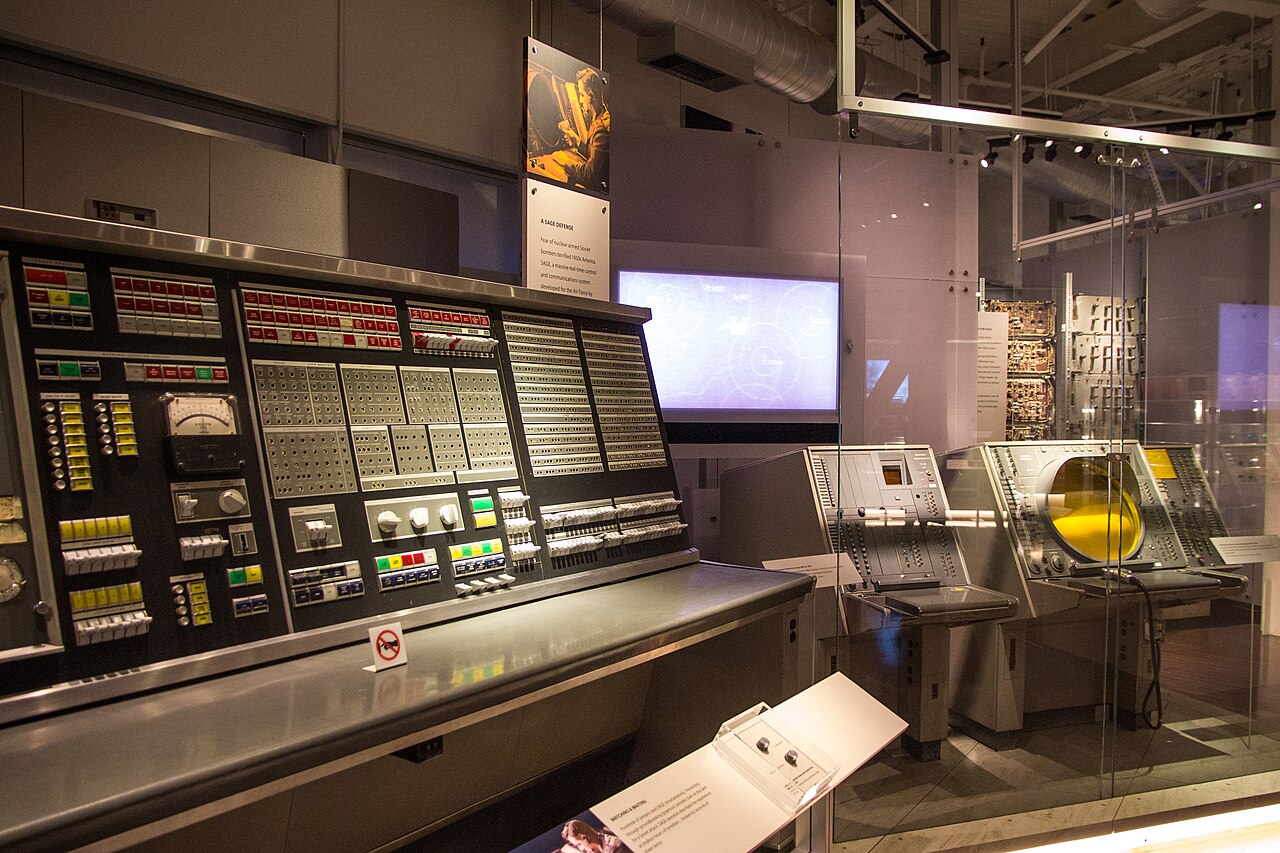
The AN/FSQ-7: The Giant Computer Behind Cold War Air Defense
How the SAGE air defense system and its AN/FSQ-7 computers introduced real-time computing, light guns, core memory and long-distance data links in the 1950s.
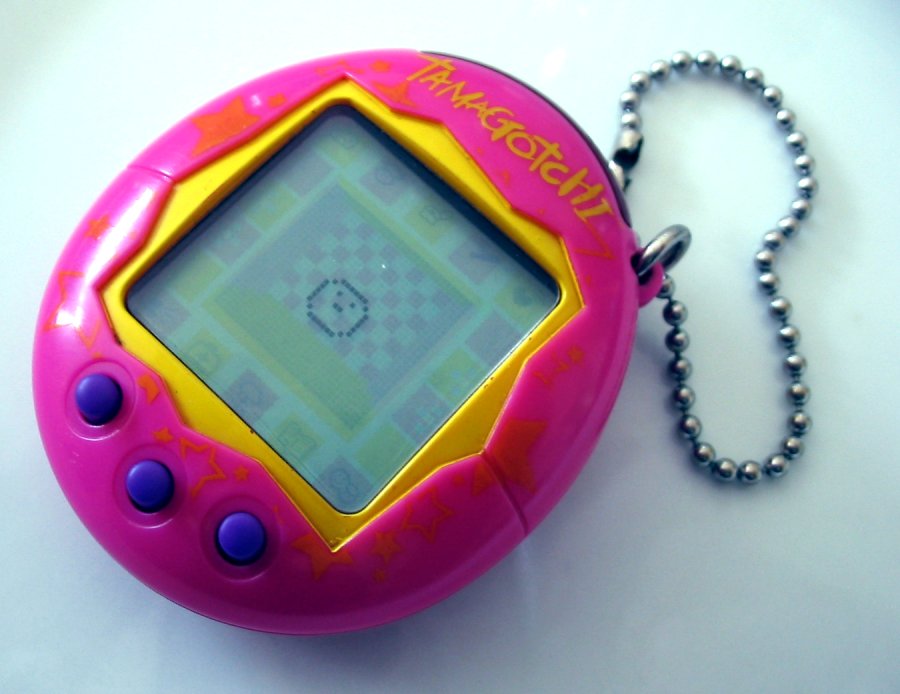
Love in the Time of Liquid Crystal: The Tamagotchi and the Modern AI Companion
Before LLMs and AI-powered chatbots, an egg-shaped keychain taught an entire generation how to care for a machine.
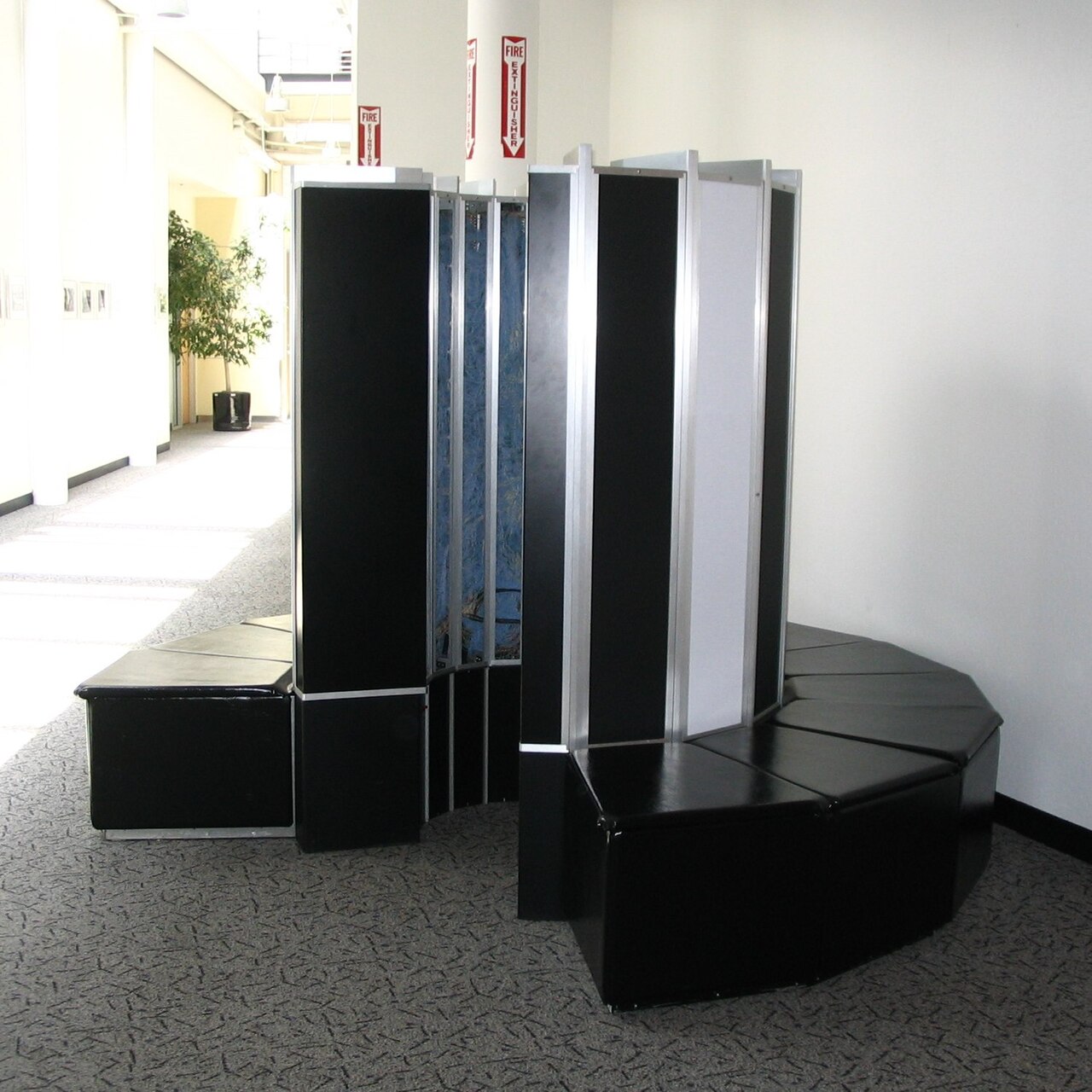
The Circular Monolith: A Deep Dive into the Cray-1 Supercomputer
How Seymour Cray
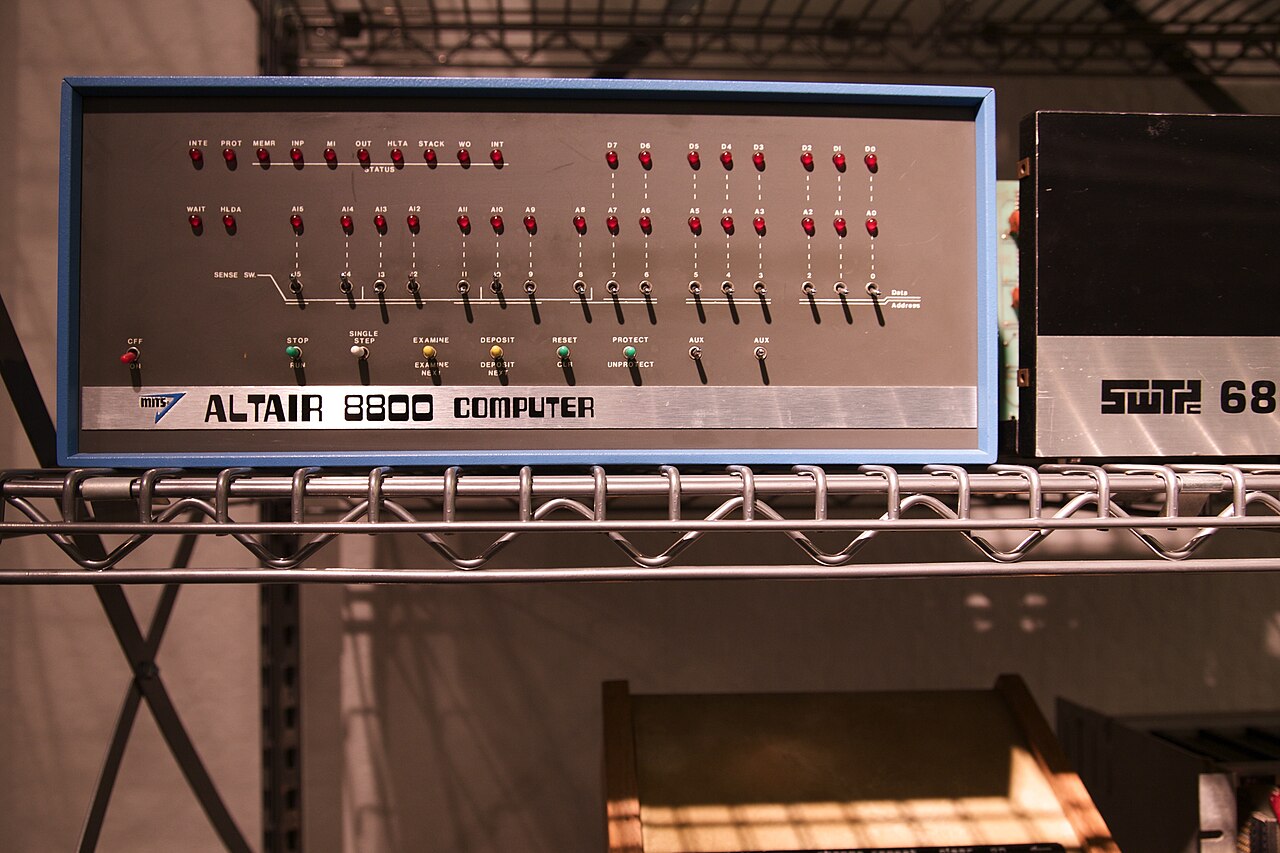
The Spark of the PC Revolution: A Lesson on the MITS Altair 8800
A high school lesson plan on the MITS Altair 8800, the 1975 kit computer that launched hobbyist computing, with activities on binary, primary sources and the birth of the software industry.
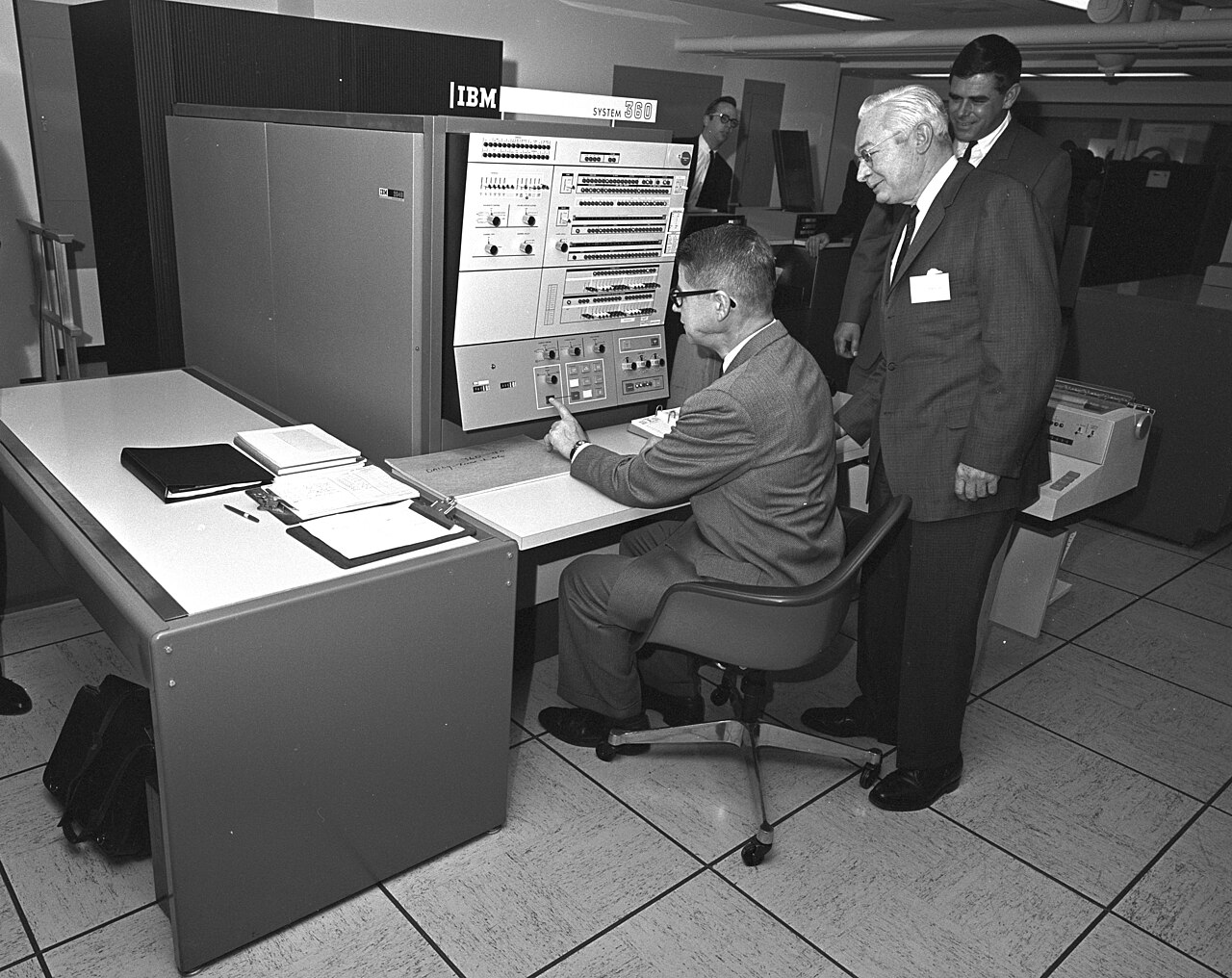
The $5 Billion Gamble: How the IBM System/360 Bet the Company
How IBM replaced all of its computer lines with one compatible family in 1964, standardized the 8-bit byte, and learned hard lessons about building large software.
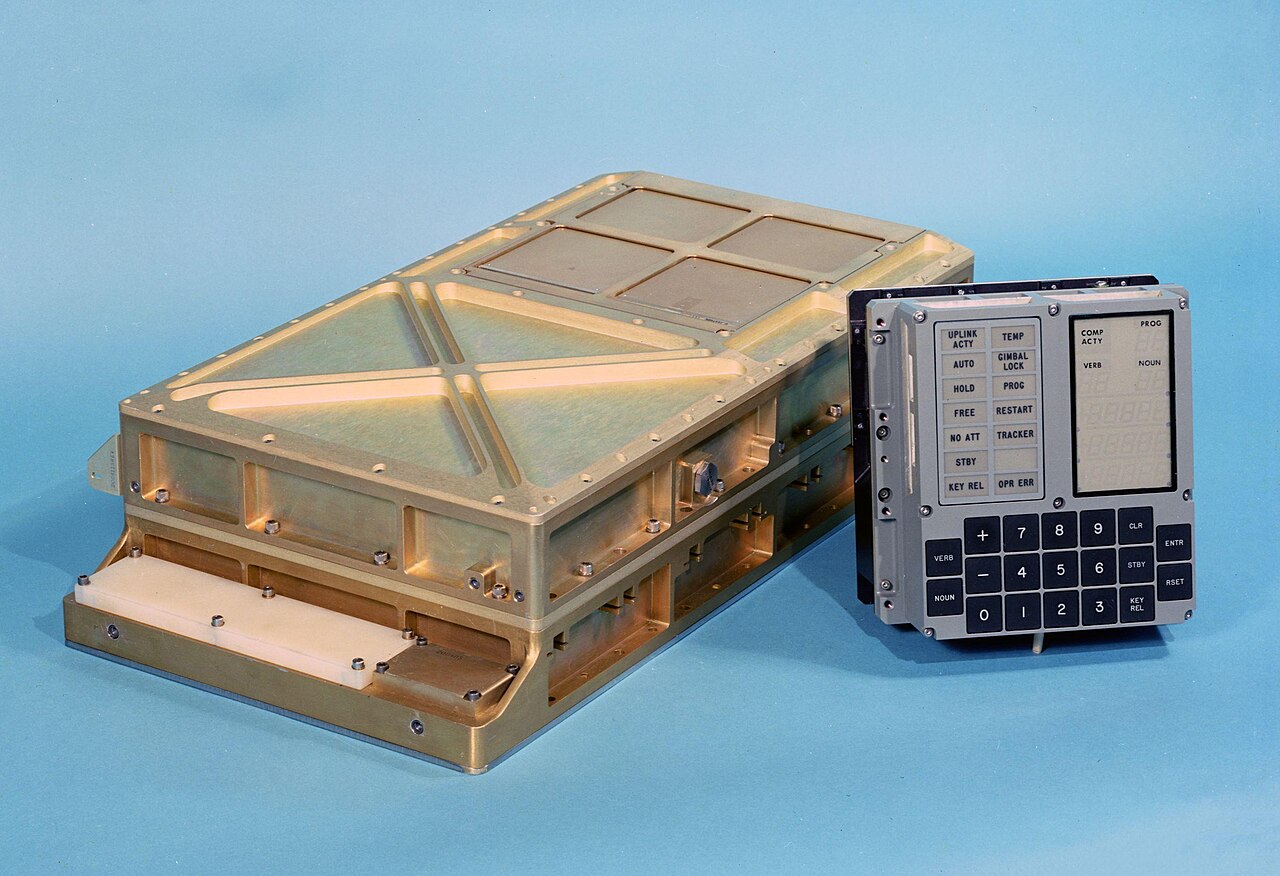
The Apollo Guidance Computer: The Silicon Brain of the Moon Landing
A deep dive into the engineering and history of the AGC, the first computer to use integrated circuits and the silent hero of the Apollo missions.
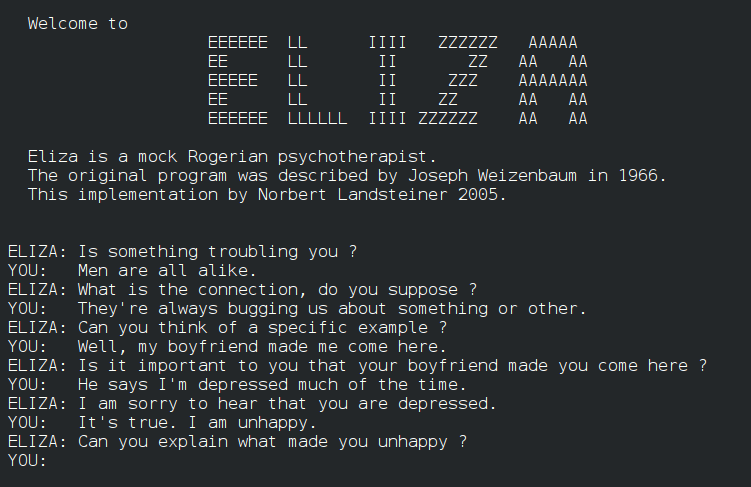
The ELIZA Effect: Why We Can
How a 1960s pattern-matching program that imitated a therapist led its creator to warn the world about our habit of seeing minds in machines.
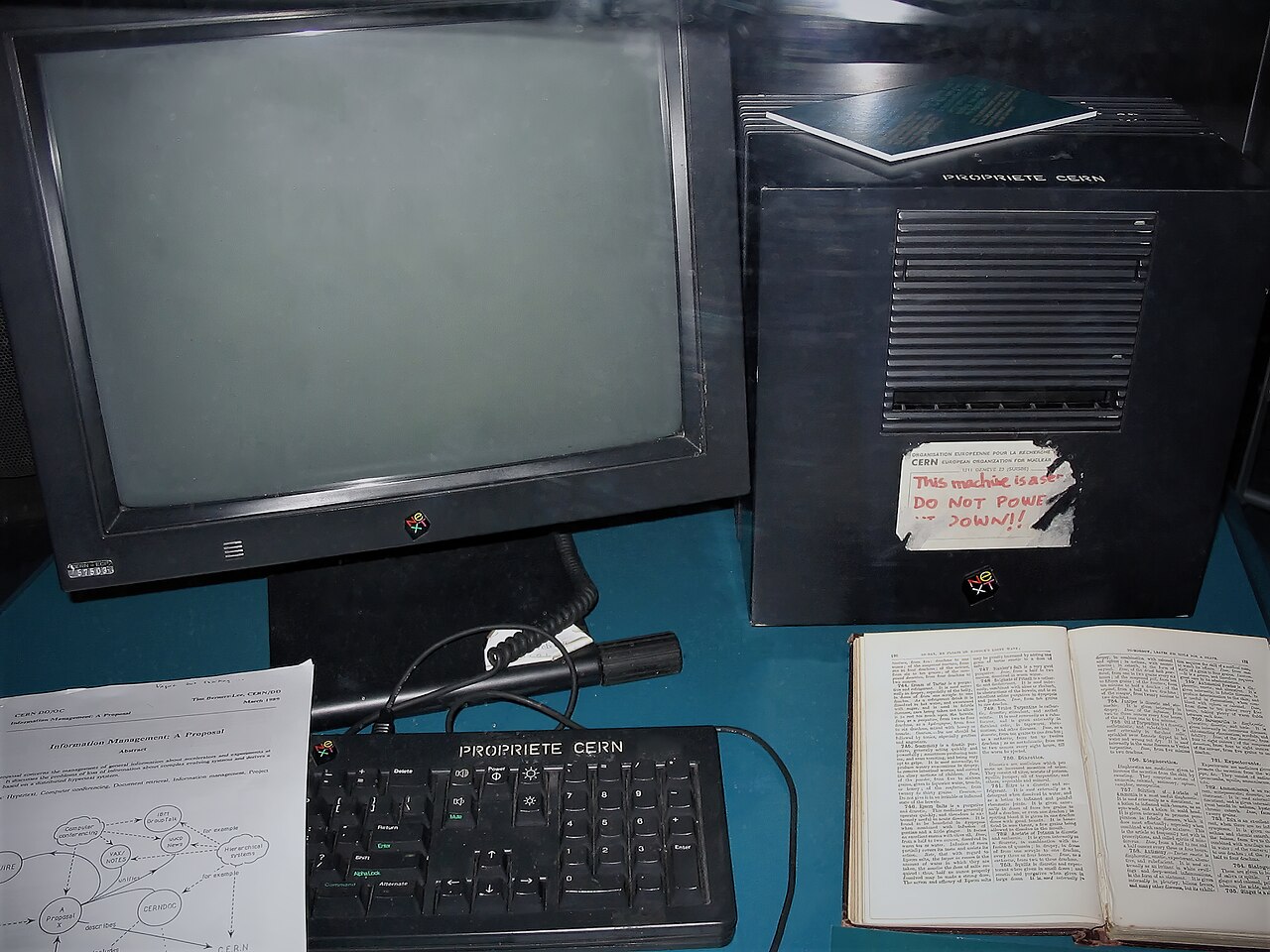
The Single Machine That Held the Web: A NeXT Discussion Guide
A discussion guide for classes and exhibit visitors about the NeXT computer that Tim Berners-Lee used at CERN to build the first web server and browser.

Grace Hopper: The Admiral of Abstraction
A high school lesson plan on how Grace Hopper
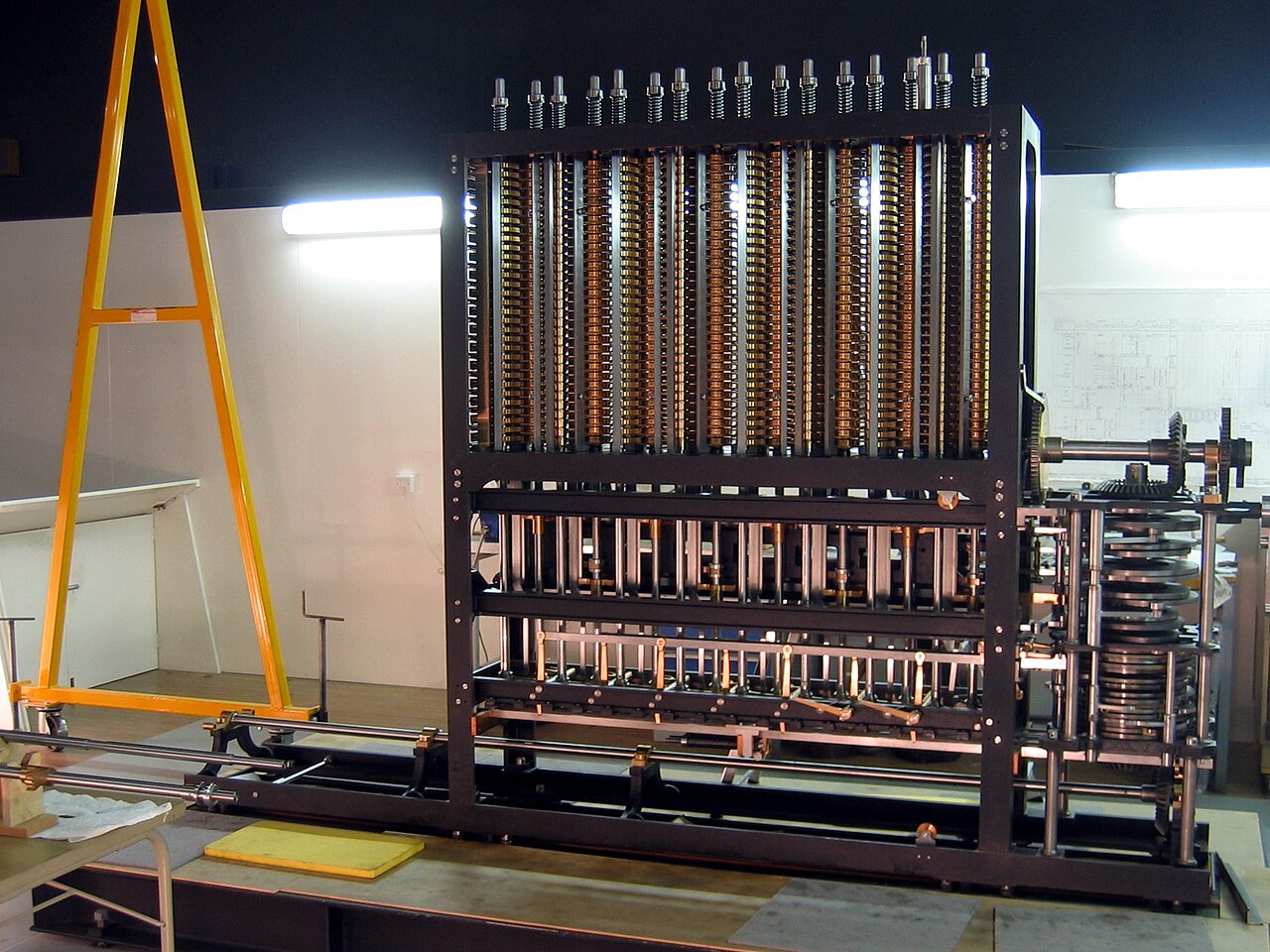
Scavenger Hunt: The Victorian Computing Engines
A field-trip scavenger hunt about Charles Babbage
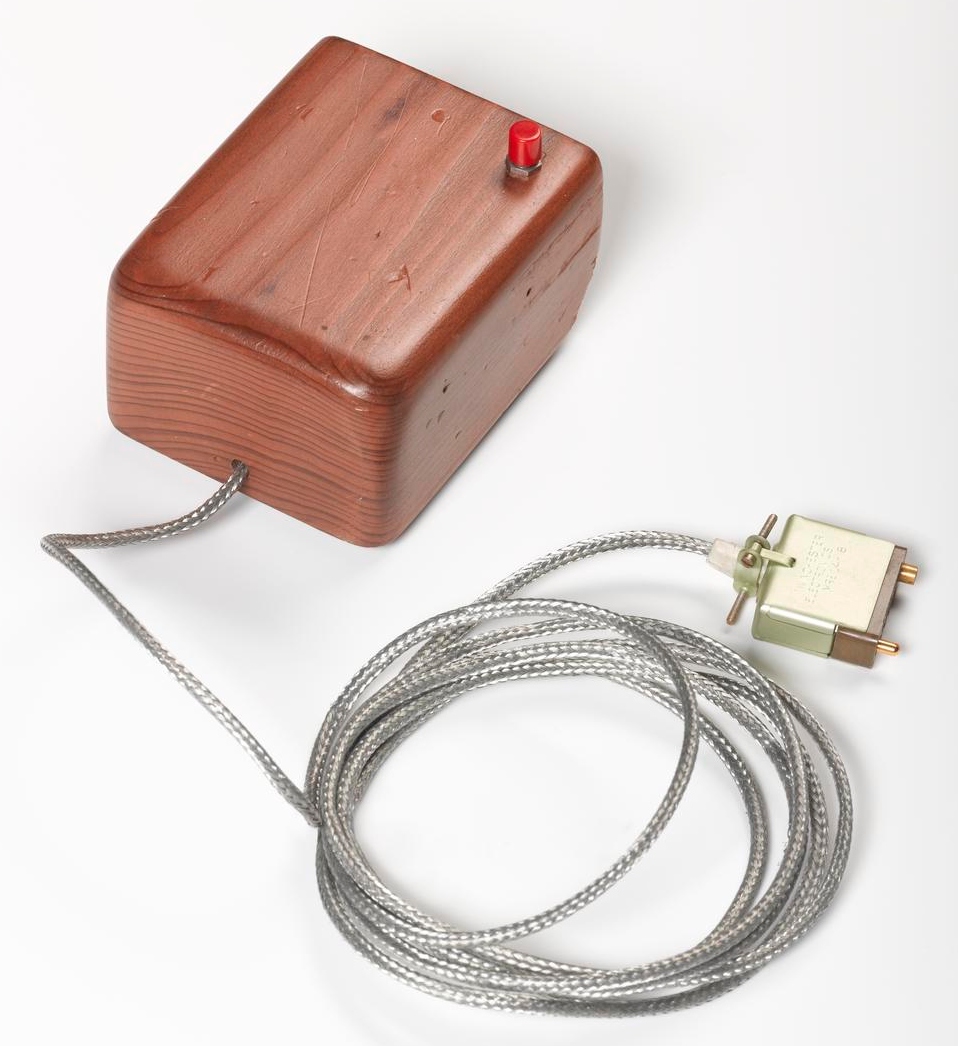
Douglas Engelbart: Augmenting Human Intellect
The life of Douglas Engelbart, who invented the computer mouse and showed the world the modern interactive computer in a 1968 demonstration, told through the objects of his work.
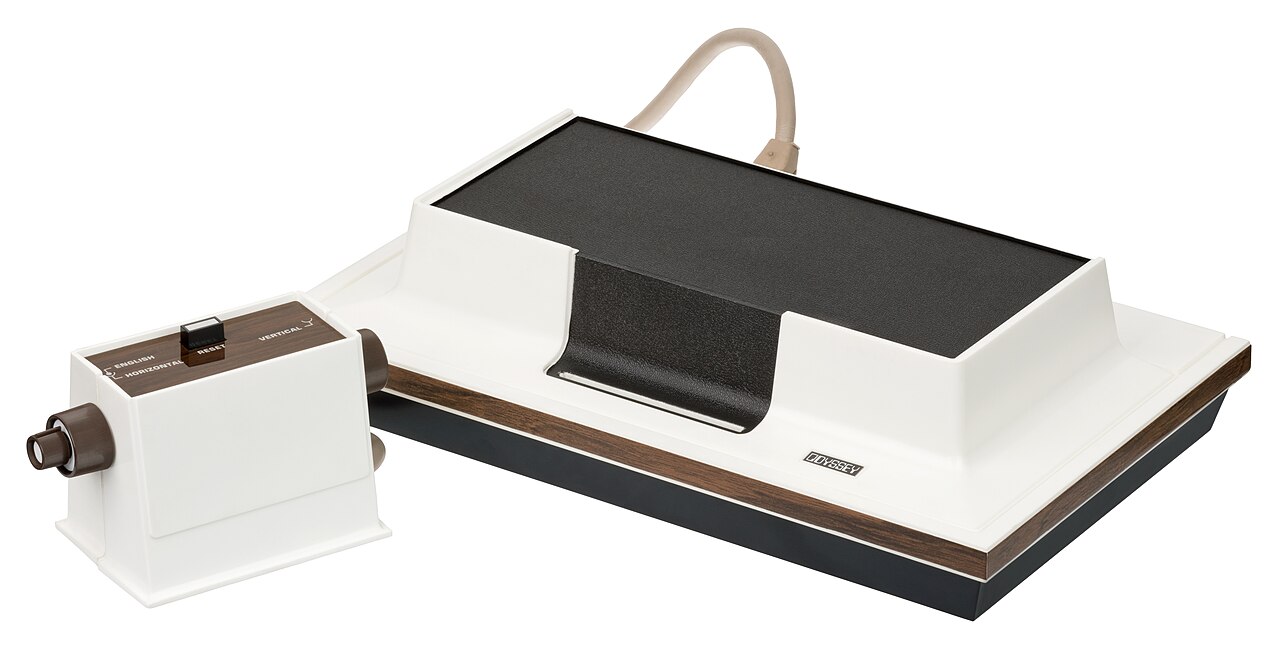
The Odyssey Begins: The World
A narrated audio guide to the 1972 Magnavox Odyssey, the first home video game console, and to the engineer Ralph Baer who dreamed it up.
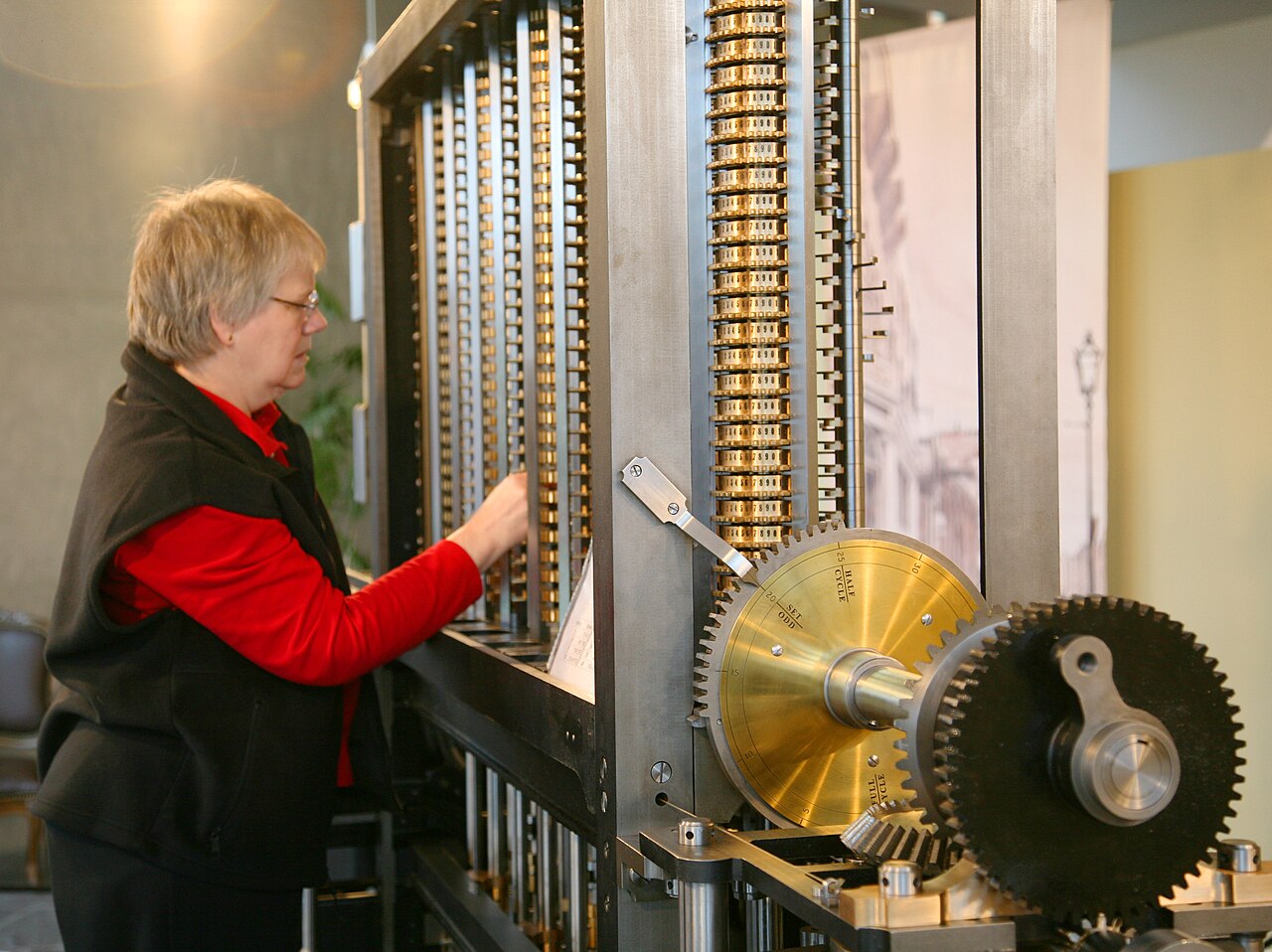
The Mechanical Mind: From Weaving Patterns to Calculating Tables
A guided thematic path through the history of programmable machines, from silk looms and Babbage
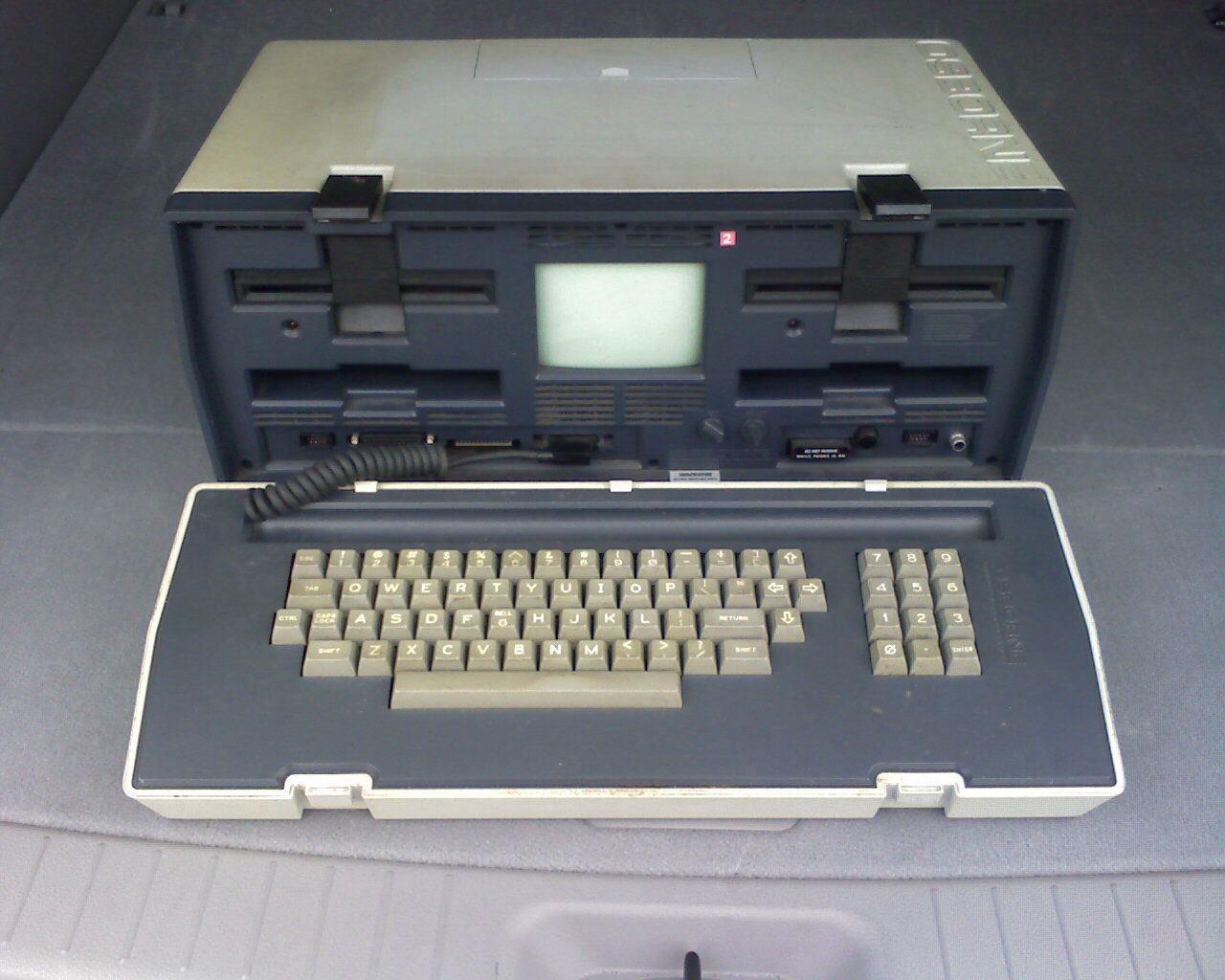
The Osborne 1: The Original Work-from-Anywhere Machine
How a 24.5-pound
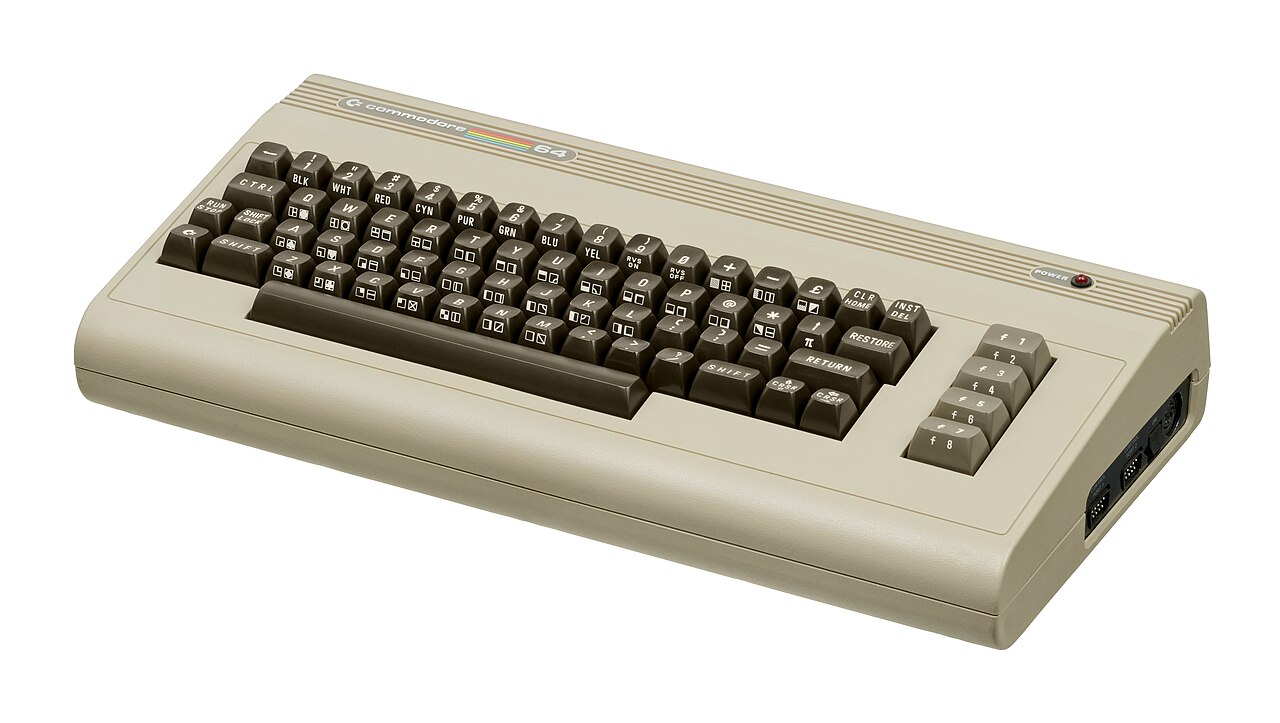
Commodore 64: The Computer in Millions of Homes
A placard for the Commodore 64, the 1982 home computer that put color graphics and synthesized sound in living rooms.
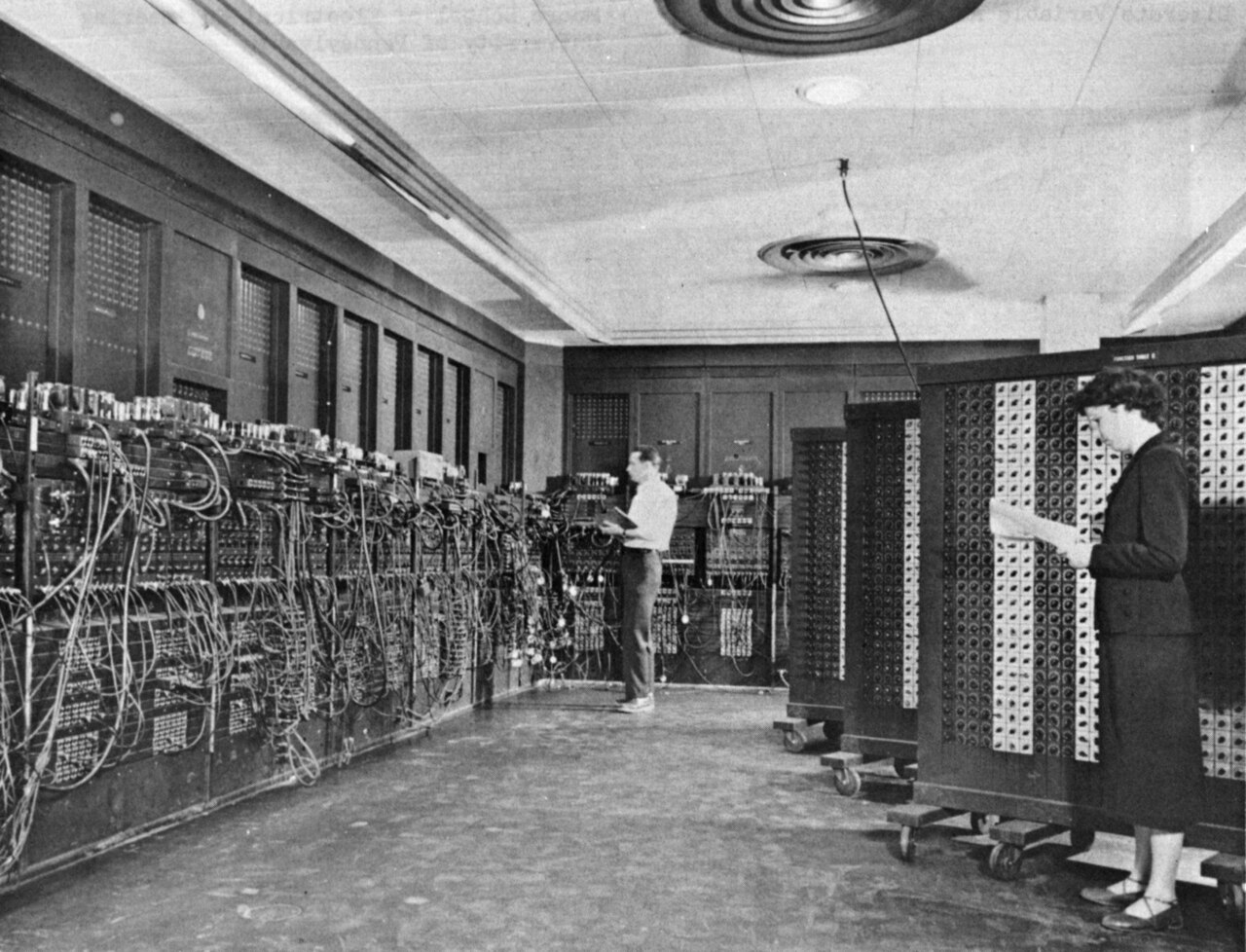
ENIAC: Six Women and the First Electronic Computer
How the US Army
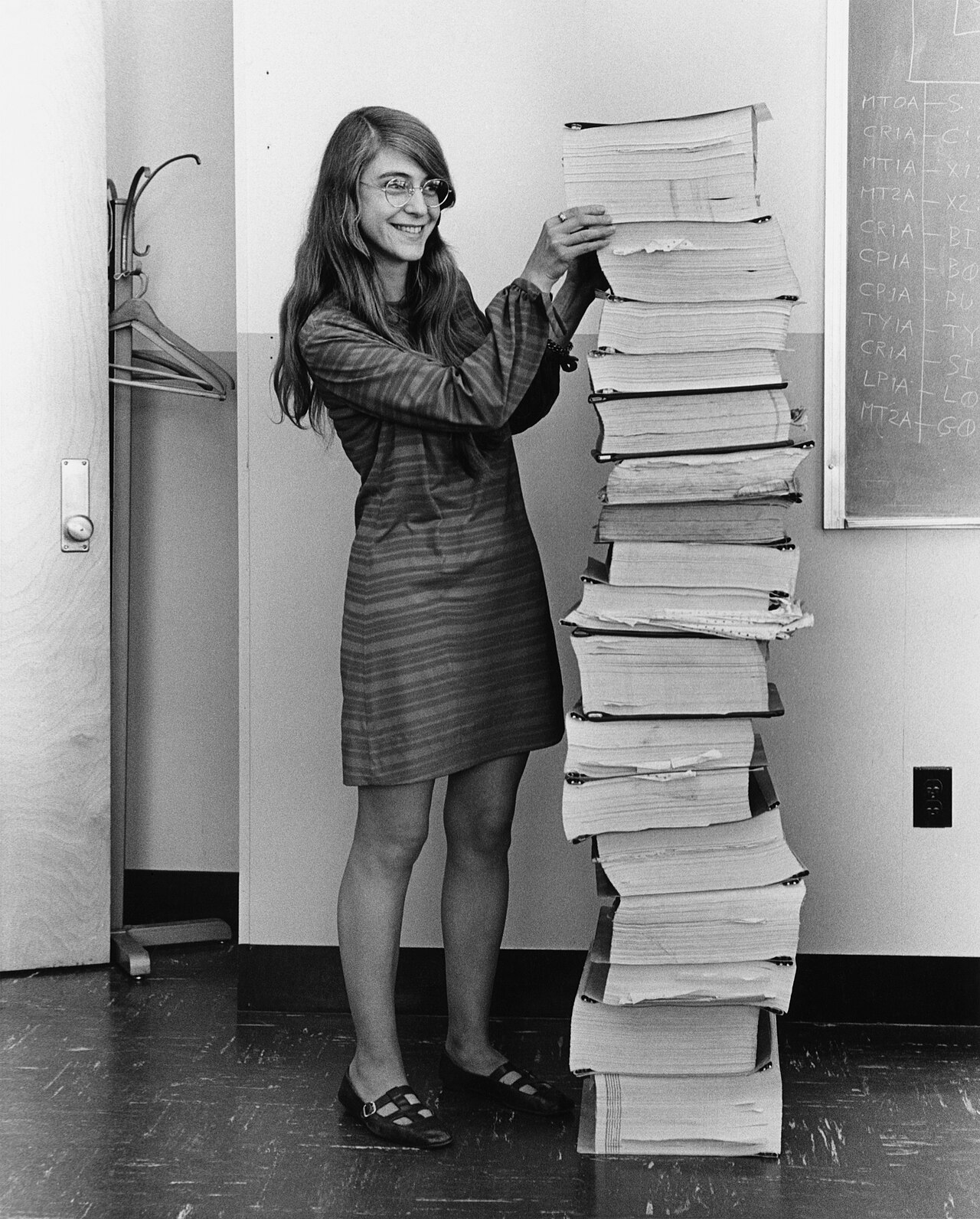
Margaret Hamilton: The Architect of Apollo
The career of Margaret Hamilton, from weather forecasting and the SAGE air defense system to leading the team that wrote the Apollo flight software.
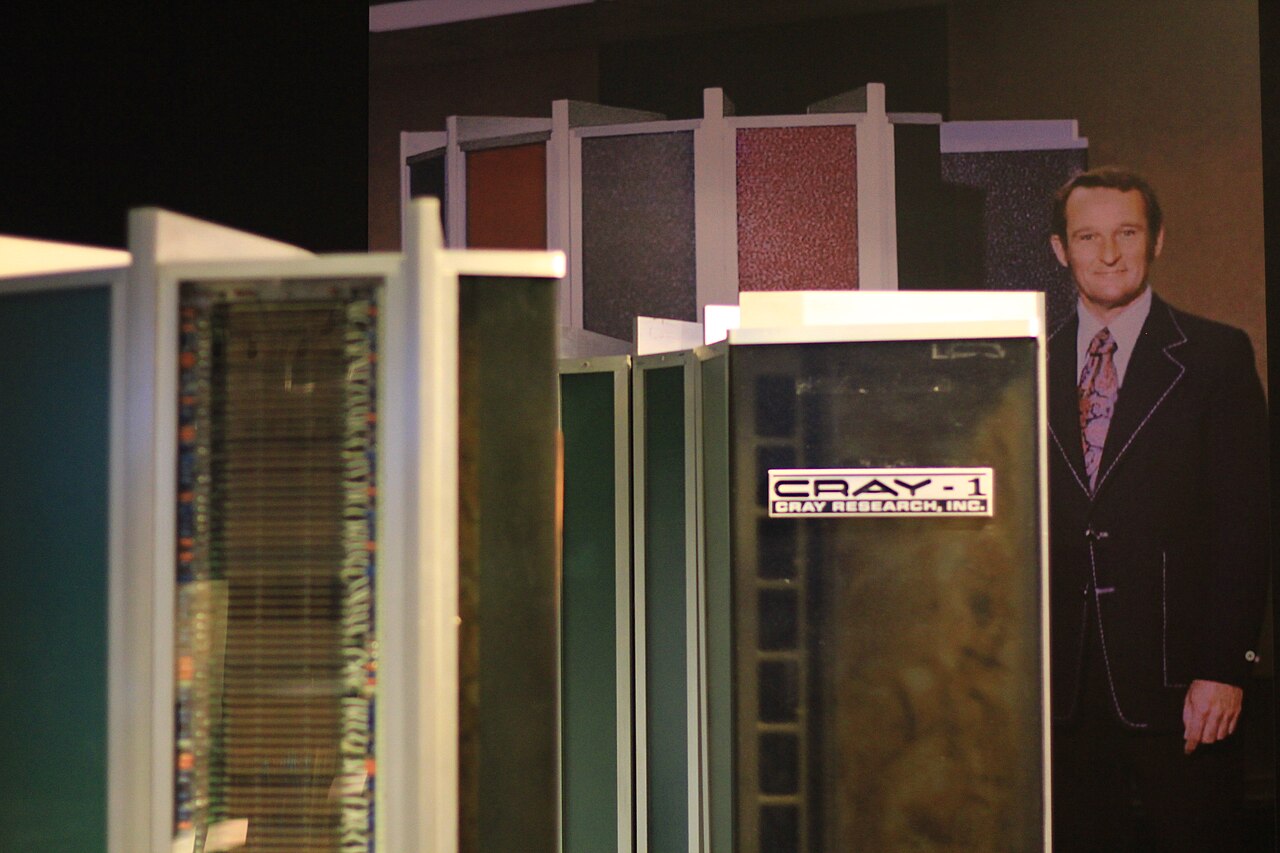
Seymour Cray: Architect of the Supercomputing Age
The life of the engineer who designed the fastest computers of his era, from the CDC 6600 to the Cray-2, told through the machines he built.
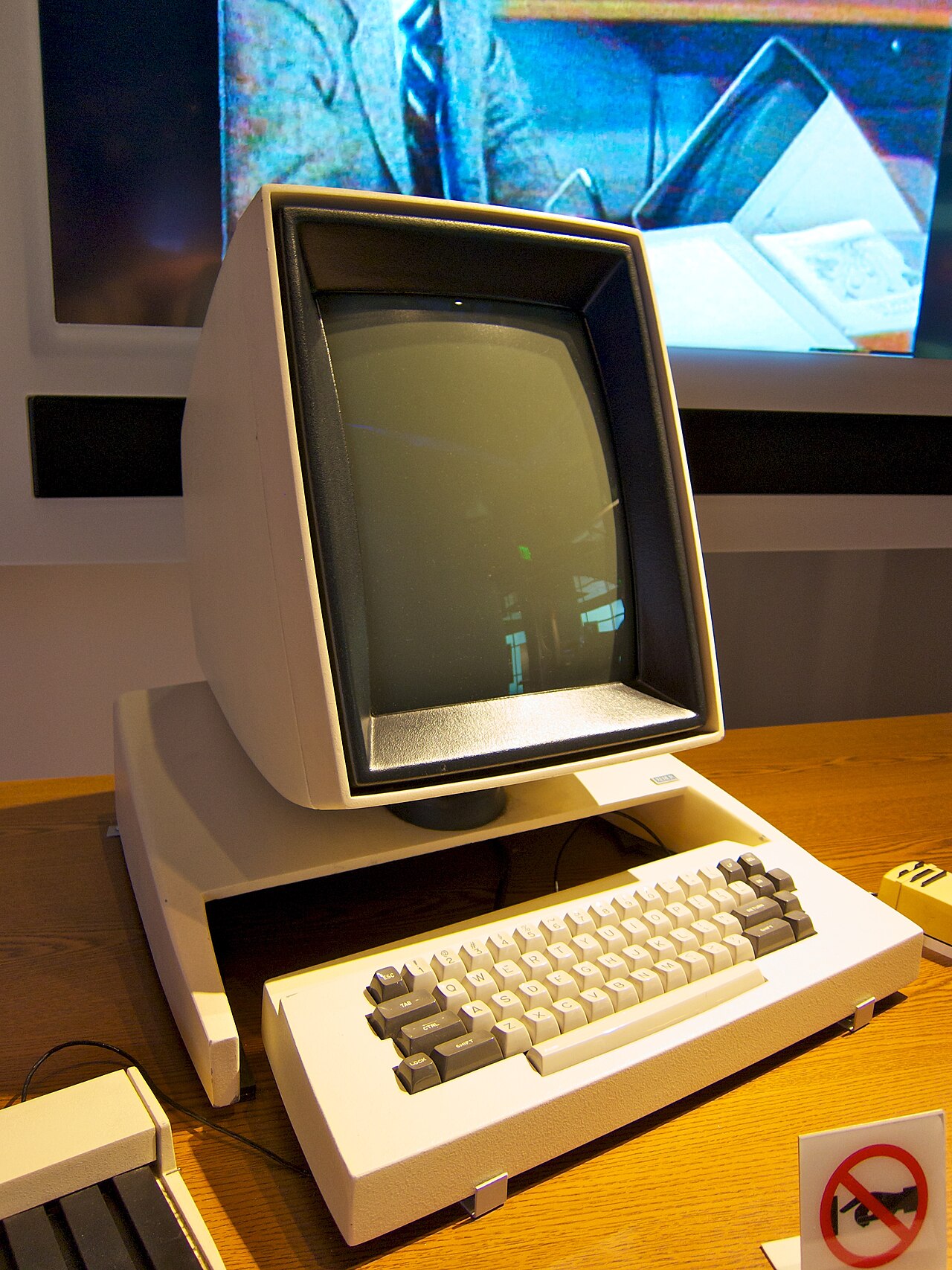
Xerox Alto: A Desktop Computer Before Its Time
A placard for the 1973 Xerox Alto, the research workstation with a mouse, a bitmapped screen and a network connection.
Xerox Alto: The Future That Was
How a research lab in Palo Alto built a networked desktop computer with a mouse and a graphical screen in 1973, and why Xerox did not sell it.